Complete Java Guide: Learn Java Online with a Free Java Programming Course
If you want to learn Java online from scratch, this guide gives you a practical and structured roadmap. Instead of jumping between random tutorials, you can follow one learning path from Core Java basics to Spring Boot and microservices. This free Java programming course layout is designed for beginners, self-taught developers, and students who want clear progression across Core Java, Servlets, JDBC, Build Tools, and project-ready backend skills.
Topic Clusters for Better Learning
Use the topic clusters below to build depth in one area before moving to the next. This cluster structure improves user experience and strengthens internal linking between related lessons, including Servlets, JDBC, and Build Tools.
Core Java Fundamentals
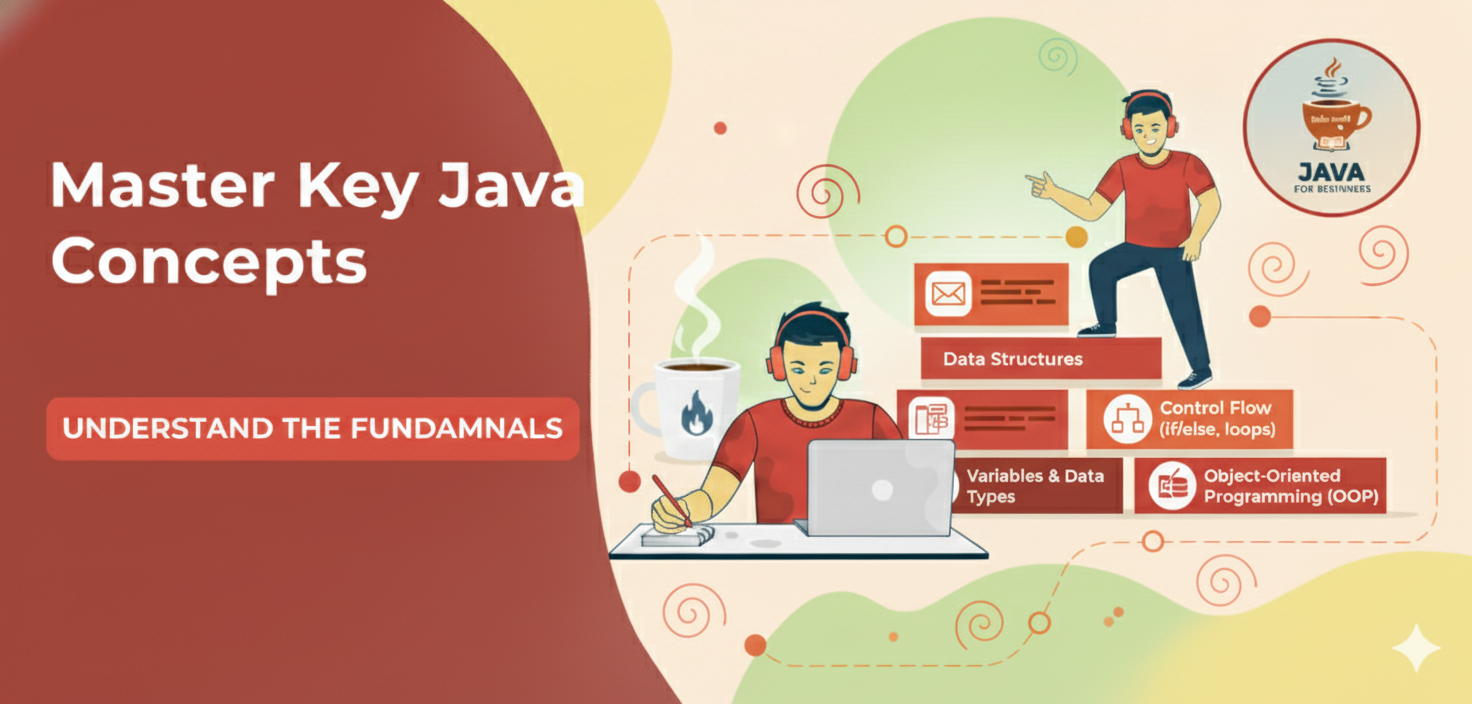
Start with syntax, variables, classes, objects, control flow, and JVM architecture.
Object-Oriented Java
Build strong OOP knowledge using classes, inheritance, encapsulation, and polymorphism.
Java Collections and Concurrency
Learn collections, exception handling, multithreading, and synchronization to write reliable Java programs.
Build Tools and Microservices
Move from fundamentals to real project workflows with Maven, Gradle, Spring Boot, and microservices.
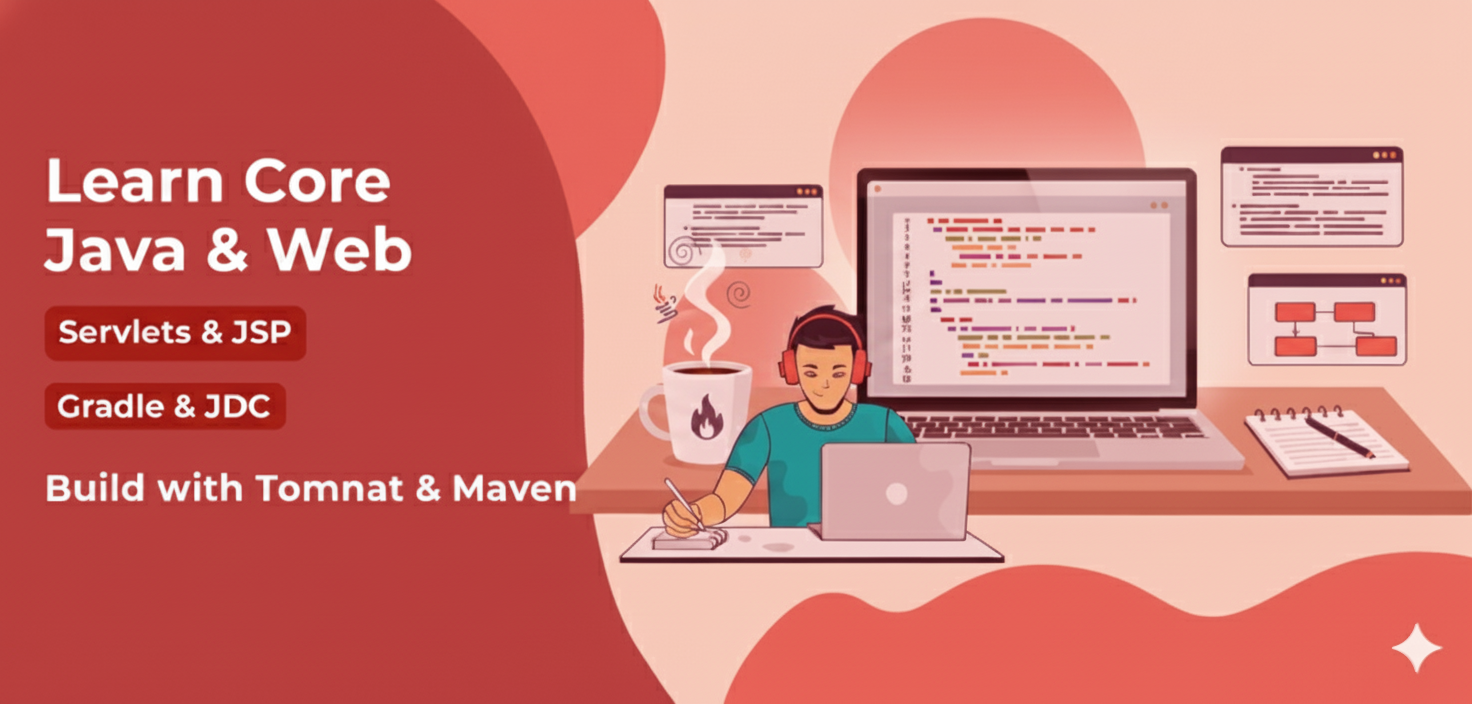
Servlets and Java Web Development
Learn servlet architecture, request/response lifecycle, and session handling for Java web apps.
JDBC and Database Integration
Connect Java applications with databases using JDBC drivers, statements, and transaction management.
REST APIs and Web Services
Build production-ready REST APIs with Spring Boot, JSON processing, OpenAPI docs, and automated testing.
Why Beginners Should Learn Java Online
Java remains one of the most widely used programming languages for enterprise applications, backend systems, Android development, and cloud platforms. The language has a mature ecosystem, clear syntax, and excellent documentation. For beginners, Java helps build discipline in programming fundamentals such as object-oriented thinking, type safety, debugging, and code organization. Learning Java online is also flexible: you can study at your own pace, revisit difficult concepts, and combine theory with practice projects. A structured beginner path gives better long-term results than isolated short lessons because each topic depends on previous concepts.
To become job-ready, you should not stop at syntax. You need to understand how Java code runs in the JVM, how packages and classes are organized, how exceptions are handled in production code, and how tools like Maven or Gradle automate builds. You also need Servlet and JDBC knowledge to build web endpoints and connect Java applications to real databases. After that, modern Java learning continues with Spring Boot APIs, service communication, and deployment basics. This is exactly why a complete learning path matters: it prevents knowledge gaps and helps you connect fundamentals to real software work.
Free Java Programming Course Roadmap
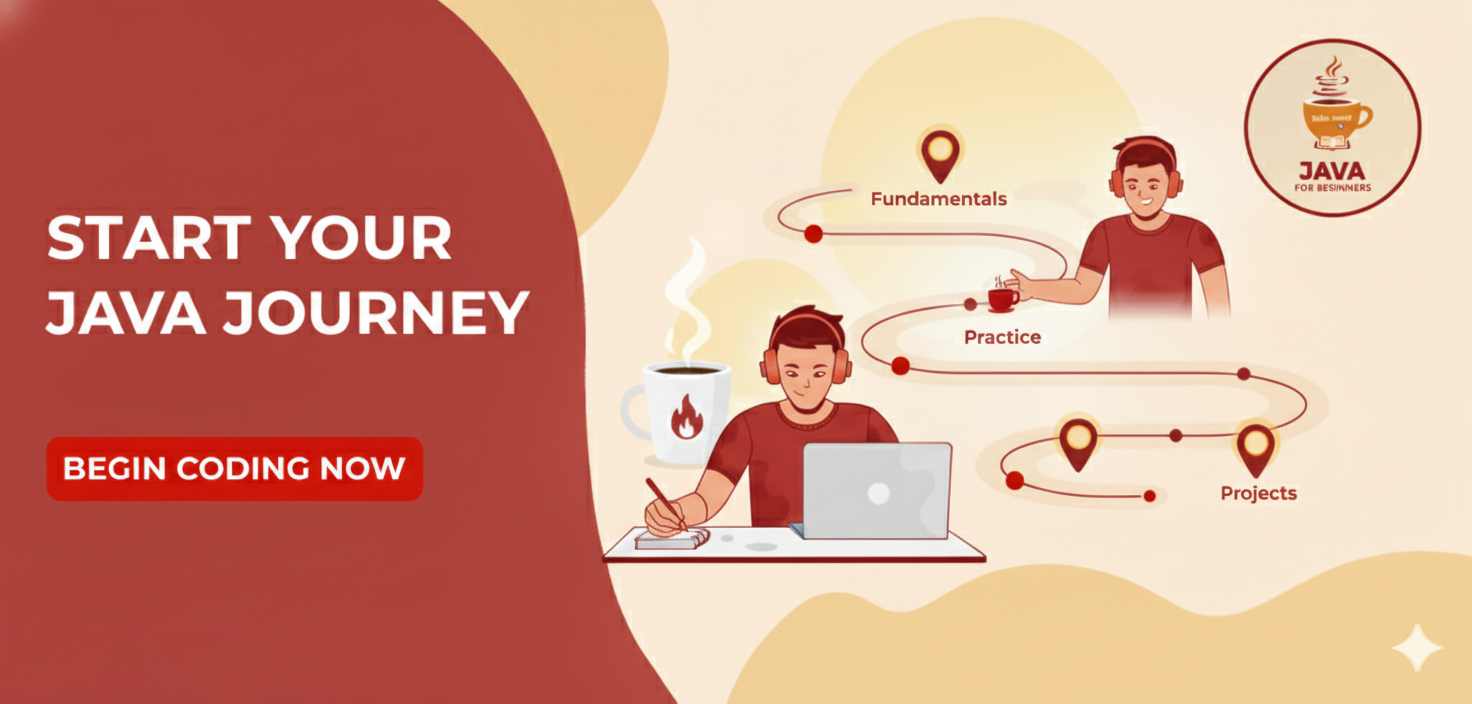
Stage 1 is Core Java fundamentals: variables, data types, operators, control flow, methods, classes, and objects. Stage 2 expands into object-oriented programming with inheritance, abstraction, encapsulation, and polymorphism. Stage 3 focuses on practical topics that every developer needs: exception handling, collections, multithreading, and JDBC basics for database access. Stage 4 introduces Servlets for Java web development and request-response handling. Stage 5 introduces build tools such as Maven and Gradle so you can manage dependencies and run project builds efficiently. Stage 6 introduces Spring Boot and microservices communication patterns for real-world backend development.
Follow each stage in order and spend most of your time writing code. After every lesson, implement one small exercise and one mini project. For example, after control flow, build a command-line quiz app. After collections, build a student record manager. After JDBC, build a database-backed student management app. After Servlets, create a small Java web module with forms and session tracking. After Spring Boot basics, create a CRUD REST API. This practice model helps convert passive reading into active skill building and dramatically improves interview readiness.
Common Mistakes to Avoid
Many learners try to cover too many frameworks before mastering basics. This often causes confusion when debugging because fundamental concepts are not strong yet. Another common mistake is reading tutorials without implementing exercises. Learning happens when you compile code, fix errors, and understand output. It is also important to revisit difficult topics multiple times. Concepts like multithreading and collections become easier when you apply them in simple projects.
A final mistake is weak revision discipline. Keep your own notes for syntax rules, common exceptions, and reusable code snippets. Build a personal practice repository and document each mini project clearly. Over time, this creates a visible portfolio that supports internship and junior developer applications.
Start the Pillar Page
Read the full pillar page for a complete step-by-step curriculum, internal links to all clusters, and a long-form guide designed to improve topical authority.
Open Complete Java Guide